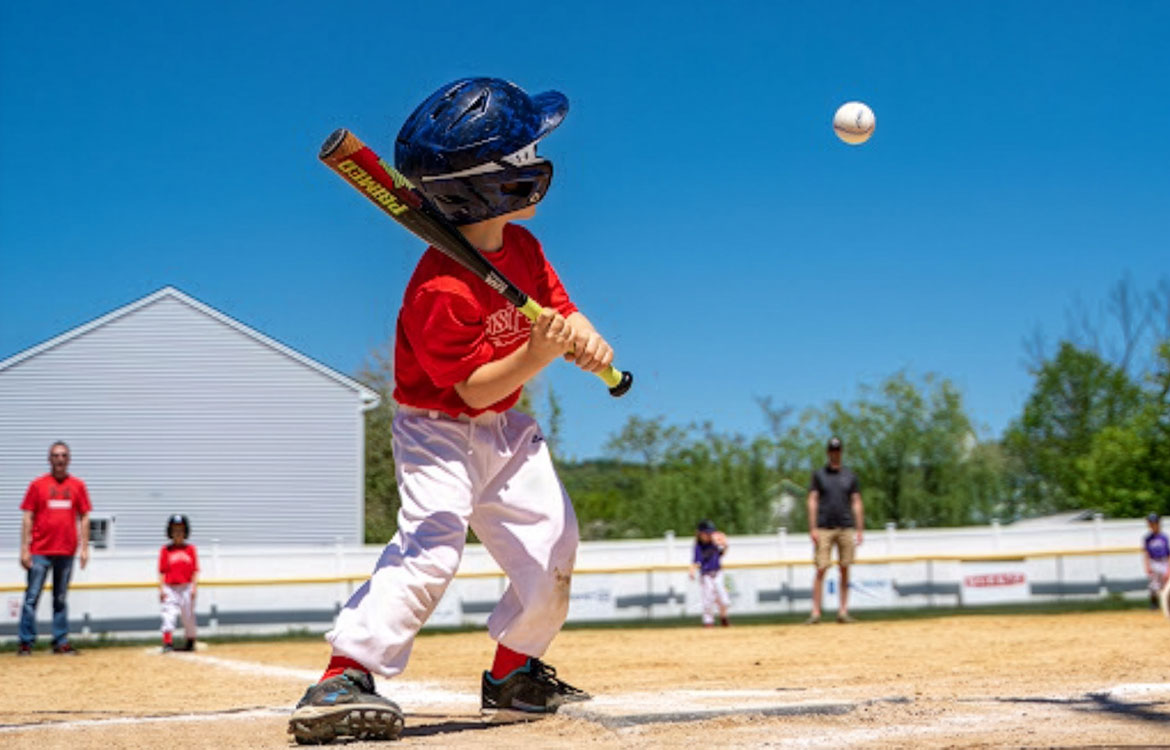
Learning new activities like piano lessons or sports can bring on frustration for kids, especially at first. Piano teachers often hear, “I can’t do it,” when a student attempts something even slightly challenging or new.
This makes sense to us as adults: When we start to learn something new, of course we can’t do it right away. But for kids, it’s especially daunting.
It’s natural human behavior to want to avoid pain or discomfort. But in order for kids to develop a growth mindset rather than a fixed mindset, kids need to persist and learn how to tackle challenges. As adults, we shouldn’t swoop in to immediately alleviate their discomfort. How we as teachers, coaches and parents support and encourage kids can greatly affect their learning journey and their ultimate self-perception and self-confidence.
Flattery and ability-focused praise
We tend to resort to flattering kids quickly when a child struggles. “You’re awesome, Mikey! You’re so smart!” Who doesn’t like a bit of flattery? But the problem with using flattery with kids when they struggle is that it’s often so exaggerated that it seems deceptive. This can lead to kids not trusting us and our feedback when they struggle.
While this comes from a place of love, kids — even the very young — can sniff out false flattery like a flattery bloodhound. If Mikey keeps falling down when he swings the baseball bat, he knows that’s not awesome. When he can’t remember how to read bass clef notes and then hears how smart he is, this doesn’t make sense to him (even though he may be smart, he doesn’t feel smart at that moment, because if he was smart, he’d be able to do it… right?).
Ability-focused praise emphasizes the belief that we are born with certain abilities. “Sara gets good grades because she is smart. Sara is so talented; you should hear her play the piano.” It’s a theory that “you either have it or you don’t.”
Ability-focused praise also tends to fall short when we use it to encourage kids to persist and push through challenges. After all, if you’re not born with it and you’re struggling, then there’s nothing you can do about it, so why keep trying?
Effort-focused praise instead of ability-focused praise
If we praise effort instead of ability, we show kids that they have the power to change, grow, improve, and develop skills. “Keep trying! You can do it!” would be an example of effort-focused praise for Mikey’s attempts at hitting the ball. It tells a child that it has nothing to do with whether or not you’re born with it but instead gives them control and agency over potential outcomes and accomplishments.
Here’s a common scenario for piano students:
Eve is a six year old beginning piano student learning to read music. She is struggling and often tells her mom, “I can’t do it. It’s too hard,” during practice at home. She sometimes starts to cry and doesn’t want to practice.
Instead of mom rushing in to say, “You are so smart! You get great grades in school [ability-focused praise],” she could instead say, “I hear you! Learning new things is tricky at first but you’ve been working hard at it already for ten minutes! Keep going and it will get easier [effort-focused praise].” This doesn’t mean that Eve will dry her tears and say, “Okay! Sounds great!” but with repeated attempts and your continued focus on her effort, with time and patience, she’ll learn to develop new skills for both piano and tackling challenges.
Timing and frequency of praise
If you observe great coaches or teachers, you’ll notice that they don’t spend a lot of time complimenting kids. This might be confusing for parents at first but coaches and teachers are encouraging kids in different ways that might not be so obvious initially.
You might notice a 5-step process that teachers often use:
- Teach and model
- Step back and observe while kids try it
- Monitor the progress and frustration levels; give specific feedback for improvement or correction
- Offer encouragement through acknowledgement of achievement and continued effort
- Repeat steps as needed
Here’s an example:
- The piano teacher models how to play a scale on the piano
- The teacher watches closely as Eve tries the scale
- Eve thinks it’s fun at first and laughs when she makes mistakes. The teacher reminds her to put finger one on F and has her play the scale again.
- After a few more attempts, Eve isn’t laughing anymore, but instead is sighing audibly after making mistakes. The teacher says, “I love how you keep trying! You’ve almost got it. Let’s play it two more times.”
- The teacher reminds Eve to keep her wrists up and then says, “Great job left hand! You didn’t speed up that time!”
It’s important to let teachers and coaches teach and coach. We have a process; well-intentioned compliments, reminders or instructions from parents to kids during the practices or lessons can interfere in this process.
Instead, praise effort or recognize achievements after the practice or lesson. This can be a great way to show that you are empathetic as a parent to the difficulties of what kids are learning and that you believe in their growth potential as well.
Conclusion
When we normalize the concept that learning new things is tough for everyone and praise kids’ effort when learning instead of their ability, we help kids develop the resilience and grit that will be critical throughout their lives.
A quick way to form effort-focused praise is to remember these three things but substitute words specific to the scenario at hand as needed:
- I hear you.
- Learning something new is tough; I’ve been there, too.
- Keep trying; you can do it.
When adults consistently use this approach, kids will start hearing this on their own in response to challenges. This is what will lead to internal motivation and persistent self-confidence.