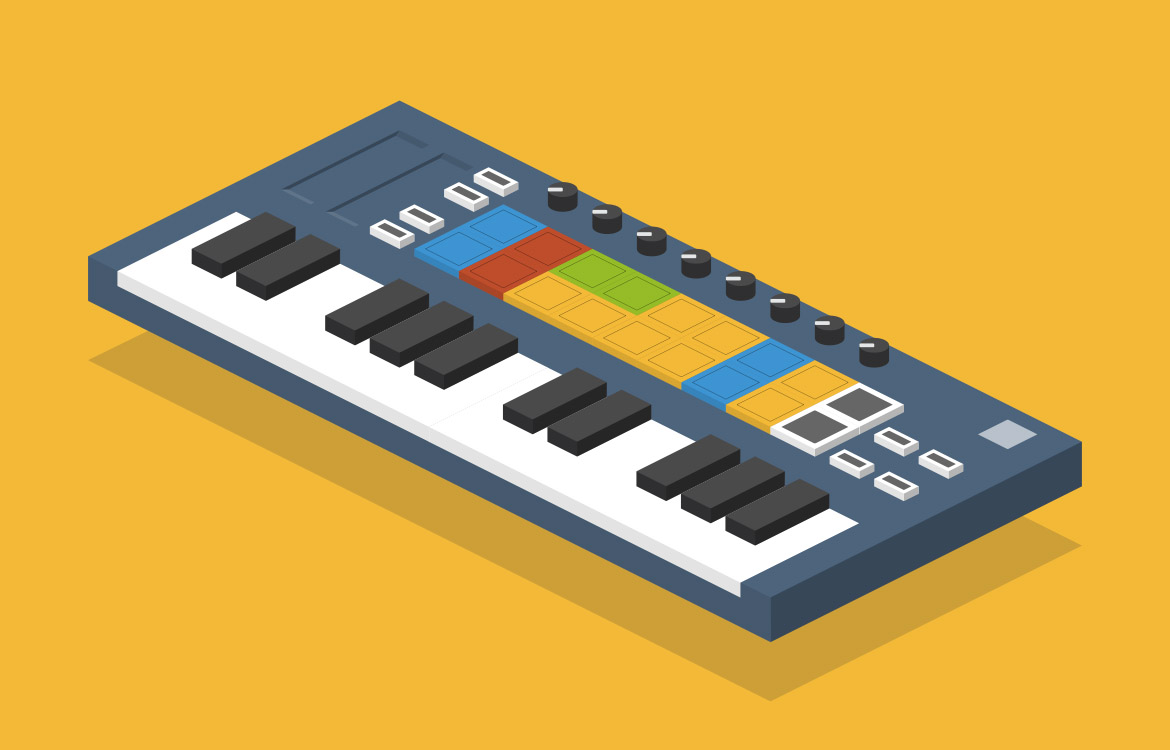
Parents often search for a piano teacher after they’ve obtained what they think is a sufficient instrument. It looks and sounds like a piano to them, but what they often have is an electric instrument — which is oh-so-not-the-same as an acoustic piano.
Just say no (to electric instruments)
The feel, action, and sound of a keyboard or digital piano is not the same as an acoustic piano. Don’t let a salesperson tell you otherwise!
The main differentiating factors between acoustic pianos and electric instruments are:
- The feel of the keys
- The action of the keys
- How the sound is produced and what kind of sound can be produced
But I’m not sure my child will like piano lessons
“Can we start first with an electric instrument to see if Mikey likes it?”
I hear this a lot and I do understand that bringing a piano into your home is not the easiest thing to facilitate. But, if you want to know if Mikey likes playing the piano, you have to get him a piano and piano lessons so he can try it out. Getting an electronic instrument instead isn’t the way to go.
In the past, I used to accept students with electric instruments, but I found it disheartening when I watched them get frustrated and struggle with their skill limitations because their fingers, muscles, musical ear and overall piano technique did not develop properly. They were also the students most likely to get lower scores in judged events. Then, when parents purchased an acoustic instrument, it was too late – Mikey already had playing limitations and habits that couldn’t be corrected without starting over, and even if he started over, those habits often remained.
Piano movers end up doing all the work when it comes to bringing the instrument in and out of your home. They are amazing and make the process so quick and simple! In the Katy, Texas and greater Houston area, you can find hundreds of used pianos in great shape for less than the cost of an electric instrument. Action Piano Services and Elite Piano Transport are a couple of local piano moving companies that could help you with the move.
Here are some benefits to owning an acoustic piano:
- It can last you 50+ years
- It can be fixed by a piano technician; rarely can an electric instrument be fixed
- It maintains better resale value than an electric instrument
- It sounds and looks great in your home
Check out A Parent’s Guide to Buying a First Piano: Part 1 and Part 2 for tips on which instrument to get.
Here’s what Piano Spot families are saying about acoustic pianos
I’ve heard many comments like these from parents in my studio over the years:
“I didn’t understand at first why you insisted on an acoustic piano, but now I can see and hear the difference.”
“I’m so glad you had us buy an acoustic piano. We love listening to the sound of it at home.”
“We can tell the difference when kids perform between the ones who have pianos at home and the ones who have keyboards.”
Students have said:
“I can’t stand playing my keyboard now. When I play it, I can’t make it sound good. The keys feel plasticky and it wobbles.”
“Trying to pedal with a keyboard is really weird.”
“When I had my keyboard, it was hard for me to push the keys down on grand pianos.”
Conclusion
While there are piano teachers who accept students with electric instruments, I want Piano Spot students to have the best start possible, which includes a heavy emphasis on the fundamentals of music reading and technique, and in order to achieve this, they need an acoustic piano. Their technical development will be a huge factor throughout their piano journey.
From day one in The Piano Spot piano lessons, students learn healthy technique and how to produce beautiful tones on the piano. The feel and tones produced on an electric instrument are not the same.
Piano lessons should be a long-term commitment; plan for that, not the opposite. You’ll spend a lot of time and energy supporting your child through piano lessons — hopefully for many years! —so let’s set them up for success.